
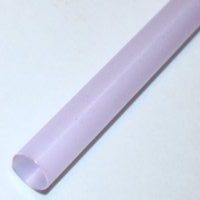
The laser alexandrite rod is a critical component in many high-performance aesthetic laser systems, particularly those developed by industry leaders such as Candela, Cynosure, and Lumenis. This rod is made from a synthetic crystal composed of chrysoberyl (BeAl₂O₄) doped with chromium ions, which enables it to produce laser light at a wavelength of 755 nm. This specific wavelength is highly effective for targeting melanin, making alexandrite lasers one of the most popular choices for hair removal, pigmented lesion treatment, and certain vascular conditions.
In operation, the alexandrite rod acts as the lasing medium. When energized by a flash lamp, it emits a concentrated beam of light that is delivered through the laser system to the treatment area. The precision and power of this process depend heavily on the optical clarity and structural integrity of the rod. Any imperfections, such as microfractures, surface wear, or internal contamination, can significantly reduce performance and lead to inconsistent clinical results.
Over time, repeated exposure to high-energy pulses and thermal stress causes the alexandrite rod to degrade. Clinics may observe reduced fluence, uneven energy output, or longer treatment times—clear indicators that the rod is no longer operating at optimal efficiency. Proper maintenance, including monitoring usage cycles and ensuring adequate cooling, is essential to prolong the rod’s lifespan.
For clinics and resellers, understanding the role of the alexandrite rod is key to maintaining device performance and maximizing return on investment. Whether through careful maintenance or timely repair, ensuring the rod remains in good condition directly impacts treatment quality, patient satisfaction, and overall operational efficiency. For high-quality HR/AR coated laser alexandrite rods or replacement options, feel free to inquire to find the right solution for your system.